Show Me the Money: Where Indie Filmmakers Are Finding Funding That Hollywood Would Never Think to Ask For
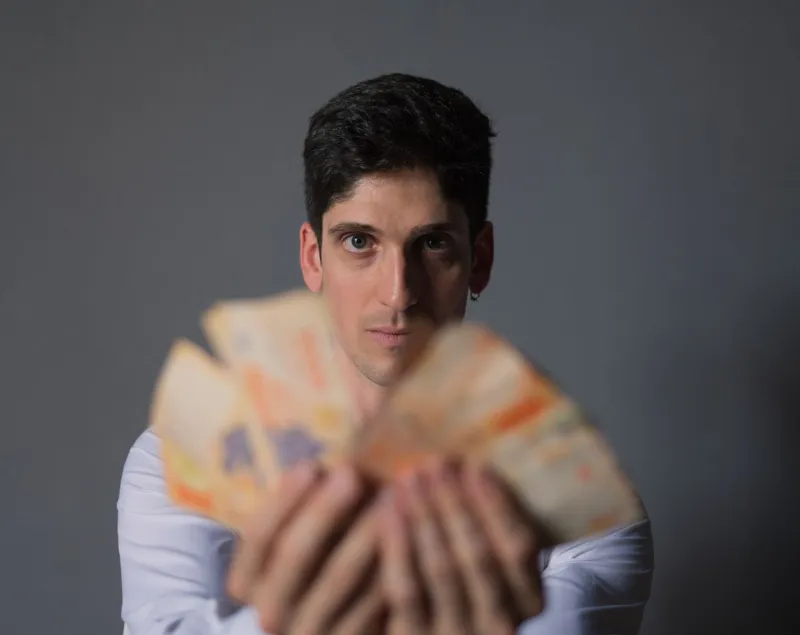
There's a running joke in independent film circles that goes something like this: making the movie is the easy part. Finding the money to make it? That's the real production. And for a long time, the options were pretty well-defined — max out a credit card, launch a Kickstarter, apply for a grant, and pray. Rinse, repeat, go broke.
But something has shifted. Quietly, creatively, and sometimes a little audaciously, indie filmmakers across the US are building financing structures that look nothing like what came before. They're not waiting for permission from traditional gatekeepers. They're not competing for the same pool of festival grants that everyone else is chasing. They're finding money in corners Hollywood hasn't even glanced at — and they're making great films because of it.
Here's how they're doing it.
The Fan-as-Investor Model
Crowdfunding isn't new. But fan investment — actual equity participation by passionate audiences — is a different animal entirely. Under Regulation Crowdfunding rules updated by the SEC, US-based filmmakers can now legally raise up to $5 million from non-accredited investors, meaning everyday people can put real money into a film project and receive a stake in its returns.
This isn't a donation with a tote bag attached. It's ownership. And for audiences who feel deeply connected to a filmmaker's vision, that distinction matters enormously.
Director Tara Miele used a variation of this approach for her work, cultivating a base of small investors who were genuinely invested — emotionally and financially — in seeing the project succeed. The result wasn't just funding. It was a built-in community of advocates who had skin in the game before the camera ever rolled.
Platforms like Wefunder and Republic have made this process more accessible than ever. The pitch still has to be compelling, but the audience for that pitch has expanded well beyond venture capitalists and industry contacts.
State Tax Incentives: The Unsexy Secret Weapon
Ask most emerging filmmakers about tax incentives and you'll get a blank stare or a vague nod. Ask the ones who've figured it out and they'll tell you it changed everything.
Nearly every US state has some form of film production incentive — tax credits, rebates, or exemptions designed to lure productions and the economic activity they bring. Georgia's program is famous for turning Atlanta into a blockbuster factory. But smaller, more filmmaker-friendly programs exist in places like New Mexico, Montana, and Massachusetts, often with less competition and more flexibility for indie projects.
The key is doing the homework early. Choosing a shooting location based partly on its incentive structure isn't selling out — it's smart producing. A 25% transferable tax credit on qualifying expenditures can effectively reduce your budget by a quarter. That's not nothing. That's a post-production budget. That's your sound mix. That's the difference between a film that gets finished and one that sits on a hard drive forever.
Filmmaker Mynette Louie has been vocal about leveraging these programs strategically, treating location not just as a creative choice but as a financial one. It's the kind of thinking that separates producers who get films made from directors who just talk about getting films made.
Brand Partnerships That Don't Compromise the Work
The word "sponsor" used to carry a whiff of compromise in indie film culture. But a new generation of filmmakers is reframing the conversation entirely — and finding brands that are genuinely excited to participate without demanding creative control.
The trick is alignment. A documentary about sustainable agriculture has natural partners in organic food brands. A coming-of-age story set in a specific American city might appeal to local businesses that want authentic cultural visibility. A genre film with a devoted niche following can offer a specialty retailer access to a highly targeted, passionate demographic.
What these partnerships look like in practice varies widely. Sometimes it's product integration that serves the story. Sometimes it's backend marketing support — a brand promoting the film to its own audience in exchange for association with the project. Sometimes it's as simple as a location deal that saves a production thousands of dollars while giving a business genuine screen presence.
The filmmakers who do this well go in with clear creative boundaries established upfront. The brand gets visibility. The film gets resources. Nobody gets to rewrite the script.
Blockchain and Tokenized Film Finance
This one still raises eyebrows, and honestly, the space is volatile enough that caution is warranted. But dismissing blockchain-based film financing entirely would be a mistake.
Several projects have successfully used NFTs and tokenized revenue-sharing models to raise production funds directly from audiences. The appeal is the same as fan investment, but with added layers of transparency and programmable distribution — smart contracts that automatically route revenue to token holders when the film earns money.
Projects like Deadpool's early digital experiments and more recent indie ventures have tested these waters with mixed but instructive results. The technology works. The challenge is audience education and regulatory navigation, which remains genuinely complex.
For filmmakers willing to do the legal legwork and communicate clearly with their communities, it represents a real alternative — one that aligns financial incentives between creator and audience in ways traditional distribution models never have.
Microbudget-to-Milestone Financing
One of the most underrated strategies in indie finance isn't about finding one big source of money. It's about structuring the raise around what you can actually prove.
Some filmmakers are shooting proof-of-concept shorts or first acts, using that footage to unlock the next round of investment. It's essentially milestone-based financing — you demonstrate you can execute, then you go back for more. It keeps the initial ask small, manageable, and less scary for investors who want to see what they're buying before they commit fully.
This approach demands patience and a willingness to build in phases, but it also creates a natural feedback loop. You learn what's working creatively before you've spent everything. You refine the pitch with real footage behind it. And you arrive at each subsequent conversation with proof, not just a dream.
The Real Takeaway
What connects all of these approaches is a fundamental shift in mindset. The most resourceful indie filmmakers aren't waiting for the industry to hand them an opportunity. They're building their own financial architecture, brick by brick, from sources that are hiding in plain sight.
The balloon doesn't float because someone handed you helium. It floats because you figured out where to find it — and you had the nerve to fill it up yourself.
The money is out there. It just doesn't always look like what you expected.