Painted in Light: How Independent Filmmakers Are Using Color Grading to Punch Way Above Their Weight
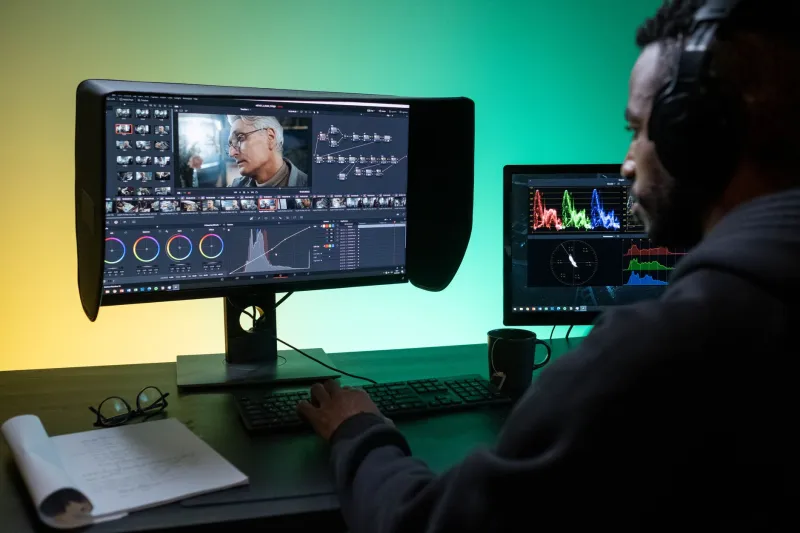
There's a moment in post-production that every indie filmmaker knows well. You've wrapped the shoot, you've survived the edit, and then you sit down with your raw footage and realize something uncomfortable: it looks... fine. Not cinematic. Not evocative. Just fine.
That's where color grading steps in — and for a growing number of independent filmmakers across the country, it's become the single most transformative tool in their entire production arsenal.
The Difference Between a Film and a Feeling
Ask any colorist what their job actually is, and they'll tell you it has almost nothing to do with making things look pretty. It's about manufacturing emotion before a single line of dialogue is spoken.
Think about how differently you feel watching the washed-out, sun-bleached palette of a desert thriller versus the cool, blue-tinted interiors of a psychological drama. Neither of those looks happened by accident. They were decisions — deliberate, calculated choices that told the audience how to feel before the story had a chance to explain itself.
For indie filmmakers working with skeleton crews and consumer-grade cameras, color grading is often the great equalizer. A $3,000 mirrorless camera shooting in a flat, log color profile can produce footage that, after a skilled grade, looks like it came off a RED or an ARRI. The camera captures the raw information. The grade makes it sing.
Tools That Didn't Exist a Decade Ago
The barrier to professional color work has dropped dramatically in recent years, and the indie community has noticed. DaVinci Resolve — made by Blackmagic Design — is probably the most significant development in democratizing high-end color work. The free version of the software is genuinely powerful, used on Hollywood features and streaming originals alike. Colorists who trained on $100,000 suites are now doing serious work on the same platform available to a first-time filmmaker in their apartment.
Then there's Adobe Premiere Pro's Lumetri Color panel, which integrates smoothly into workflows that many indie editors already live inside. It's not as deep as Resolve, but for filmmakers who need solid results without a steep learning curve, it gets the job done.
For those willing to invest a little money, tools like FilmConvert and IWLTBAP LUT packs have built devoted followings in the indie community. These are pre-built color looks — LUTs, or Look-Up Tables — that can give footage a filmic texture with a few clicks. Used thoughtfully, they're a shortcut to a consistent visual language. Used lazily, they're a crutch that every audience member can spot a mile away.
The difference, experienced colorists will tell you, is always intention.
When the Grade Becomes the Story
Some of the most interesting color work happening right now isn't trying to hide the fact that a film was made on a small budget. It's leaning into it.
Filmmakers shooting in rural America — think the flat light of the Midwest, or the harsh glare of a Southern summer — are finding that embracing those conditions and pushing them further in the grade creates something genuinely distinctive. A desaturated, slightly overexposed look that would have read as an amateur mistake ten years ago now feels like a stylistic statement.
There's a whole generation of indie directors who grew up watching A24 films and absorbing the visual grammar of movies like Moonlight, Hereditary, and The Florida Project. Those films have wildly different color approaches, but they share one thing: every frame feels considered. Nothing looks accidental. That's the standard that ambitious independent filmmakers are now chasing, and color grading is the primary way they're getting there.
Learning the Language
For filmmakers who want to get serious about grading their own work, the learning curve is real but manageable. Most colorists recommend starting with the fundamentals before touching any creative tools: learn how to read a waveform, understand what a histogram is actually telling you, and get comfortable balancing exposure and white point before you start pushing hues around.
YouTube has become an unexpectedly rich resource here. Channels dedicated to DaVinci Resolve tutorials have millions of subscribers, and the quality of free instruction available is genuinely impressive. Mixing that with hands-on practice — grading your own footage, even footage you shot just to practice with — accelerates the learning process faster than any formal course.
Some indie filmmakers choose to hire a colorist rather than do the work themselves, and that's often the right call. A dedicated colorist brings not just technical skill but a fresh pair of eyes — someone who hasn't stared at the footage for three months and can see it the way an audience will. Rates for freelance colorists vary widely, but finding someone earlier in their career who's building a reel can get you professional-quality work at indie-friendly prices.
Color as Character
Here's the thing that tends to click for filmmakers once they've done a few projects: color isn't decoration. It's characterization.
The way a film is graded communicates the internal state of its world. A story about grief might drain color gradually as the narrative progresses. A film about obsession might push contrast until the shadows swallow everything soft and comfortable. A coming-of-age story set in the '80s might warm its highlights and crush its blacks to evoke nostalgia without a single period costume in the frame.
When color grading is working at its best, audiences don't notice it at all. They just feel something they can't quite name — a mood, a weight, an atmosphere that makes the story feel inevitable. That invisibility is the whole point. Like the best film editing, great color work disappears into the experience.
For independent filmmakers who've poured everything into their projects — the long nights, the personal savings, the borrowed equipment and favors called in — color grading is one final, powerful opportunity to make sure the audience feels what you need them to feel.
The footage is just the beginning. The grade is where the story finally becomes a film.