Night One: How to Turn Your Indie Film's First Screening Into a Moment Nobody Forgets
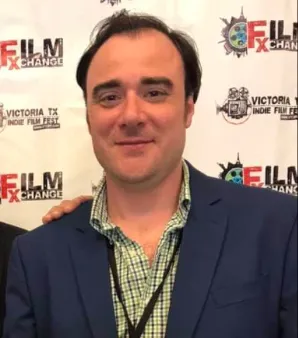
Photo: Duanardo, CC BY-SA 4.0, via Wikimedia Commons
Here's the thing nobody tells you when you're deep in post-production, chasing picture lock and arguing about color grades: finishing the film is not the finish line. It's the starting gun.
The premiere — that first public screening — is where your film stops being yours and starts belonging to the world. And how you handle that handoff matters enormously. A well-executed premiere generates buzz, builds community, creates press opportunities, and gives your film a story that carries beyond the room. A forgettable one means you're starting from zero the next morning, with no wind at your back.
I've watched indie filmmakers pour everything into making their movies and then treat the premiere like an afterthought — a necessary box to check before the "real" distribution work begins. That's a mistake. The premiere is distribution work. It's marketing. It's audience-building. It's the first impression your film makes on the world, and first impressions, as we all know, are unreasonably sticky.
So let's talk about how to get it right.
The Venue Is a Statement
Where you screen your film tells people what kind of film it is before a single frame plays. This is not a trivial choice.
A traditional multiplex says one thing. A restored single-screen theater in a neighborhood that connects to your film's story says something completely different. An outdoor screening in a park, a converted warehouse, a museum lobby, a rooftop — each of these sends a signal about the kind of experience your audience is about to have.
For indie films specifically, the venue is an opportunity to extend your film's world into the physical space. If your movie is set in a specific community, consider screening there. If your film has a particular aesthetic or emotional tone, find a space that reinforces it. The goal is to make the entire evening feel of a piece — not just the ninety minutes on screen, but everything surrounding it.
Practically speaking: make sure the projection and sound are exceptional, full stop. No amount of atmosphere compensates for a muddy audio mix or a washed-out image. Your film deserves to be seen the way you made it.
Who's in the Room Matters More Than How Many
There's a temptation to measure premiere success by headcount. Resist it. A hundred engaged, connected, influential people in the right room will do more for your film than five hundred indifferent ones.
Think deliberately about your guest list. You want a mix: the people who made the film (obviously), the people who funded it, local press and film critics, bloggers and podcast hosts who cover independent cinema, fellow filmmakers who can become advocates, and — crucially — real audience members who have genuine emotional stakes in the story you're telling.
That last category is often overlooked. If your film deals with a specific community, experience, or subject matter, invite people from that world. Their presence in the room changes the energy. Their authentic emotional responses during the Q&A carry more weight than anything a critic says. And they're often the most enthusiastic sharers on social media, which matters more than ever.
Also: don't forget to invite people with platforms. Not just major media outlets (though yes, pitch them too), but local culture writers, community influencers, people with engaged audiences in the spaces where your film lives. A thoughtful post from someone with ten thousand deeply loyal followers can outperform a mention in a publication with ten times the circulation.
Build the Evening, Not Just the Screening
The film itself is the center of the night, but the premiere is an experience — and experiences have architecture. Think about every beat:
Arrival. What do guests encounter when they walk in? Is there music that sets the tone? A display of production stills or behind-the-scenes material? A signature drink named after a character? These details sound small, but they prime the audience emotionally before the film starts.
The introduction. Keep it short. Seriously. Audiences are ready to watch the film; they didn't come to hear a speech. A brief, genuine word from the director — personal, specific, a little vulnerable — is far more effective than a formal presentation. Tell them one true thing about why you made this movie, then let it play.
The Q&A. Have a moderator you trust, and brief your cast and crew beforehand. Know which stories you want to tell. Be ready for the question you're hoping nobody asks. A great Q&A deepens the audience's relationship with the film; a rambling one dissipates the energy the film just built. Protect that energy.
The reception. Give people time to talk — to each other, to you, to the cast. The conversation that happens in the hour after the credits roll is where relationships form and where your film's word-of-mouth begins. Don't rush it.
Make It Shareable — On Purpose
Your premiere will generate social content whether you plan for it or not. The question is whether that content is random or strategic.
Designate a photographer and a videographer. Get coverage of the space before people arrive, of the audience reacting during the film (with appropriate discretion), of the Q&A, of the reception. Capture candid moments — the filmmaker seeing an audience laugh at the right moment for the first time, the cast member watching their own performance on a big screen, the emotional conversation in the lobby afterward. These are the images that tell your story.
Create a moment that's designed to be photographed. It doesn't have to be elaborate — a well-designed step-and-repeat banner, a thematic installation, a striking backdrop that connects to the film's visual language. Give people something to stand in front of. They'll do the rest.
Establish your hashtag early and use it everywhere: the invitation, the program, the signage at the venue. Make it easy for people to participate in the conversation.
The Morning After Is Part of the Plan
Here's where a lot of indie filmmakers drop the ball: they treat the premiere as the endpoint rather than the launchpad. The morning after your screening, the work intensifies.
Follow up with press who attended. Send thank-you notes to key guests — personal, specific ones, not a mass email. Post your own recap with the best photos and a few genuine reflections. Share any early reviews or social posts from attendees. Keep the conversation alive.
If your premiere went well, it's because you created something real in that room — a shared experience, an emotional moment, a community of people who now have a relationship with your film. Your job is to carry that energy forward, to keep that community connected, and to translate the momentum of one great night into the sustained audience engagement your film needs to find its life in the world.
The First Flight
A premiere is, in its way, the moment your film gets released into the air. Everything before it was preparation — the writing, the shooting, the editing, the sleepless nights and the creative arguments and the compromises and the breakthroughs. But the premiere is when you let go.
Let it fly. And make sure the whole world is watching when you do.