When Opening Night Goes Sideways: The Premiere Mistakes Indie Filmmakers Keep Making
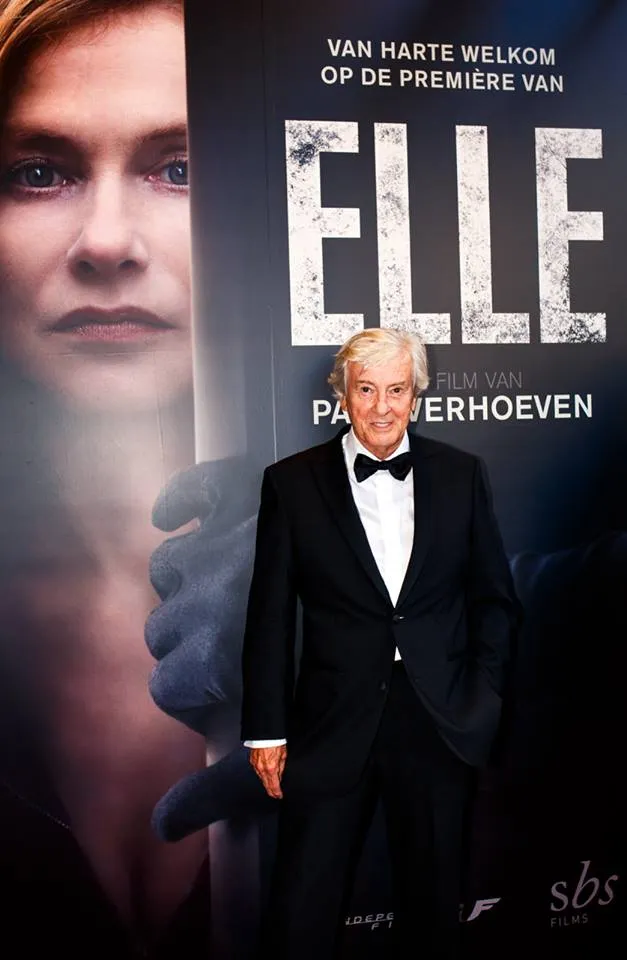
Photo: Indie NL, CC BY-SA 4.0, via Wikimedia Commons
You've spent two years on this thing. You've missed birthdays, maxed out a credit card, and eaten more gas station sushi than any human should. The film is done. The invitations are out. And somewhere in the back of your mind, you're already picturing the applause.
Then the projector dies. Or forty people show up to a venue that holds two hundred. Or the Q&A turns into a therapy session nobody signed up for.
The premiere — that sacred, cinematic rite of passage — has a way of humbling even the most prepared indie filmmaker. Not because the film isn't good. Often because the event itself was treated like an afterthought, a formality, a bow on the package. It rarely is.
The Venue Trap
One of the most common and most avoidable disasters starts with the room. Filmmakers spend months obsessing over aspect ratios and color grades, then spend about forty-five minutes picking a venue. The result? A screening room with sound bleed from the bar next door. A theater with a screen so small it makes your wide shots look like vacation photos. Or worst of all, a gorgeous 400-seat house that sits two-thirds empty because nobody thought hard enough about whether the audience could actually fill it.
Empty seats send a message. It doesn't matter if the film is extraordinary — a sparse crowd deflates the energy in the room and, more importantly, deflates the filmmaker in front of their cast, crew, and potential collaborators.
The fix is almost embarrassingly simple: right-size the venue. A packed 80-seat theater feels electric. A half-full 300-seat auditorium feels like a wake. Know your real audience — not your aspirational audience — and book accordingly.
Tech Failures Nobody Prepared For
Here's something that happens more often than the industry likes to admit: the DCP doesn't play. Or the aspect ratio is wrong. Or the sound mix that sounded perfect in the edit suite sounds like it's coming through a tin can in the actual theater.
These aren't freak accidents. They're the predictable result of skipping the technical rehearsal. Filmmakers will spend a week on ADR and skip the one hour it would take to do a full run-through in the actual screening room with the actual equipment.
If you can get into the venue the night before — do it. Bring your own tech person if you can. Confirm the DCP specs with the projectionist days in advance, not hours. And have a backup. A hard drive with a high-quality digital file has saved more than a few premieres that would have otherwise gone dark.
The Audience Expectation Problem
This one is trickier, because it lives in the gap between what you made and what people think they're coming to see.
Indie filmmakers sometimes market their film in ways that attract the wrong crowd — or worse, no crowd at all. A slow-burn character study promoted with action-adjacent language will draw people who feel cheated by the third act. A deeply personal grief narrative marketed as a crowd-pleaser will leave audiences feeling blindsided and unsure how to respond.
The premiere audience, more than any other, needs to be primed. That doesn't mean manipulating them — it means being honest and specific about what they're walking into. A brief, well-crafted introduction from the director goes a long way. Not a ten-minute monologue about your creative process (please, not that), but a genuine, human thirty seconds that sets the emotional tone and gives the audience permission to feel what the film is asking them to feel.
The Q&A That Ate the Room
Q&As are a beautiful thing in theory. In practice, they are a minefield.
The most common failure mode: the filmmaker hasn't thought about how to handle a hostile question, an awkward silence, or the one audience member who uses the open mic to deliver a four-minute monologue about their own film. Without a moderator — a real one, not just a friend with a microphone — Q&As drift fast.
Bring someone whose job it is to keep things moving. Give them a list of seed questions in case the room goes quiet. Set a time limit and stick to it. And know this going in: the best Q&As are short, specific, and leave people wanting more. The worst ones make everyone wish the credits had been the ending.
When the Guest List Becomes a Politics Problem
Indie film communities are small. Everyone knows everyone, and everyone has a history with someone. Premiere guest lists have a way of surfacing every unresolved tension in a filmmaker's professional life — the producer who came on late and wants front-row credit, the early investor who wasn't invited and heard about it, the actor who was cut from the final edit and shows up anyway.
None of this is insurmountable, but it requires intentionality. Think through the guest list like you'd think through a seating chart. Who needs to be acknowledged publicly? Who might cause a scene? Who will be hurt if they're not in the room?
A quick personal outreach — a call, not a text — to anyone with a complicated relationship to the project can defuse a lot before it ever becomes a problem on the night.
What the Disasters Actually Teach
Here's the thing about premiere nightmares: they're almost universally survivable. Films have recovered from disastrous opening nights. Careers have continued after the projector died or the crowd thinned out. The premiere is not the film. It's an event around the film, and events can go wrong without taking the work down with them.
What separates the filmmakers who recover from those who don't isn't luck — it's how they handle the moment. Staying present, staying gracious, finding the humor in the chaos. The audience takes their cues from the filmmaker. If you're rattled, they feel it. If you're loose and human about it, they usually are too.
The balloon doesn't have to fly perfectly on the first try. It just has to get off the ground.
Plan harder than you think you need to. Rehearse the things that can be rehearsed. Let go of the things that can't. And remember: the film is the point. Everything else is just the party around it.