Made in the Dark: 7 Indie Films Born From Crisis That Found Their Light
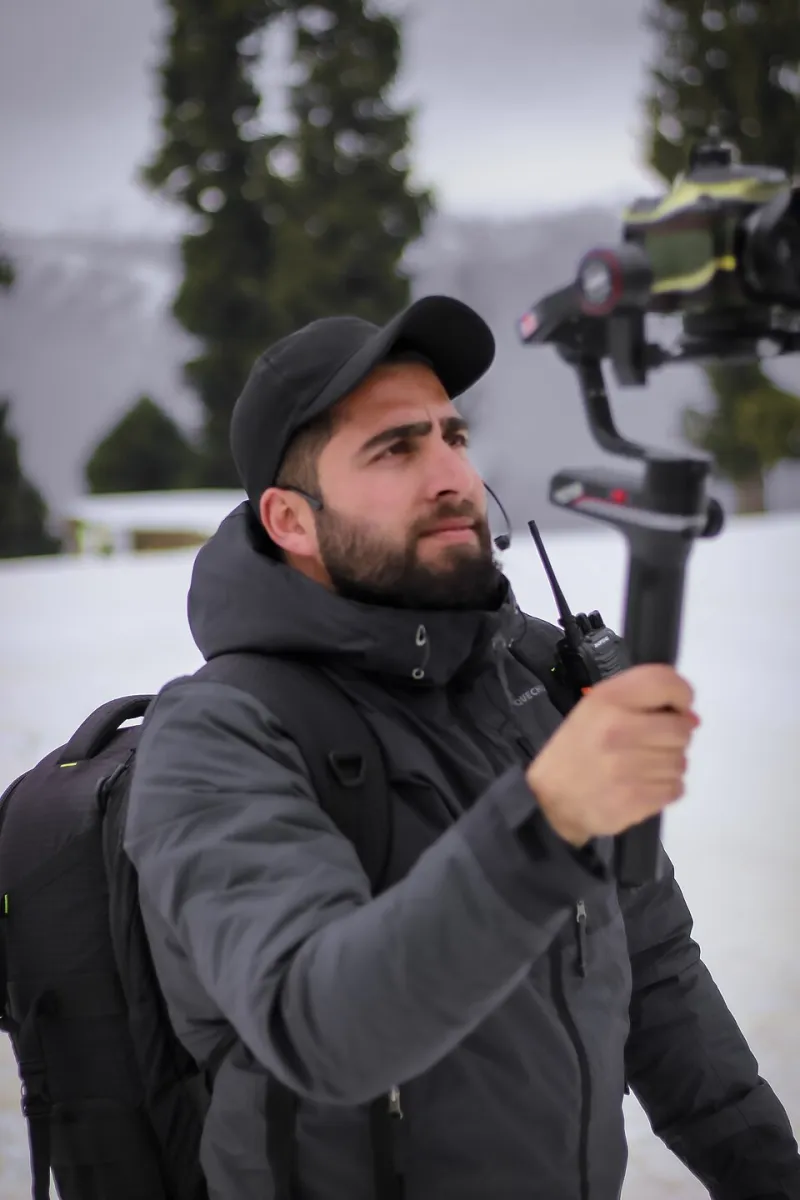
Photo: Shahzadrso, CC BY-SA 4.0, via Wikimedia Commons
There's a version of filmmaking that looks like the brochure — organized production schedules, well-fed crews, a director who slept last night. And then there's the version that actually produces the films people can't stop thinking about years later.
Some of the most resonant indie work in recent memory was made in the middle of a breakdown. A death in the family. A marriage ending. A diagnosis that changed the shape of everything. What's strange — and genuinely worth examining — is how often those circumstances don't sink a film. Sometimes they become the film.
Here are seven indie projects that were born in crisis, what made them land, and what the filmmakers learned from making them.
1. The Grief Project That Became a Masterclass in Restraint
When a filmmaker from the Pacific Northwest lost her mother mid-preproduction, she didn't shelve the project. She quietly rewrote the central relationship and shot it in her childhood home over eleven days. The result was a film so specific in its grief that it felt universal — the kind of movie that makes strangers cry in a way they can't quite explain afterward.
What worked: she didn't make the film about her grief. She let it inform the film's emotional temperature. There's a difference, and it's everything. Raw grief on screen without craft behind it reads as self-indulgence. Grief filtered through a disciplined story reads as truth.
2. The Breakup Film Shot in Real Time
A Brooklyn-based director shot a feature over eight months while his long-term relationship was actively dissolving. Some scenes were written the morning they were filmed. The actors knew what was happening. The camera work got shakier as the production went on — not as an aesthetic choice, but because the cinematographer was operating on three hours of sleep.
And somehow it worked. Audiences described it as feeling "accidentally true." The film played at three regional festivals and landed a small streaming deal. The director has since said he'd never recommend the process to anyone. But he also admits he's never made anything that honest before or since.
What worked: the instability wasn't hidden — it was acknowledged and shaped. The edit was where the control came back. A rigorous post-production process gave form to what had been chaos on set.
3. The Health Scare That Slowed Everything Down (in the Best Way)
A Texas filmmaker received a serious diagnosis three weeks before principal photography. Shooting couldn't be postponed. So he restructured the schedule around his treatment, cut the film down from a 90-minute feature to a 68-minute work that moved at a completely different pace than his earlier projects.
Critics called it his most mature work. What they were responding to — without knowing the backstory — was the stillness. The film breathed differently because the filmmaker was moving differently through the world. His attention to small, quiet moments had sharpened in a way that pressure alone can produce.
What worked: constraint forced a kind of editing at the script level that the film genuinely needed. Less became more, not as a philosophy but as a necessity.
4. The Financial Collapse That Stripped Everything Back
A Chicago-based duo lost their primary investor six days before their shoot was supposed to begin. They kept the crew, cut the budget by 70 percent, and shot on a camera one of them already owned. Every location was free. The catering was a cooler of sandwiches.
The film that came out of it was spare in a way the original script never was. The stripped-back aesthetic — which was entirely a function of having no money — gave it a visual identity that felt intentional and cohesive. It screened at Tribeca and got written up as an example of "confident minimalism."
What worked: they didn't try to fake a bigger production. They leaned into what they had, and the film found its own visual language as a result.
5. The One That Didn't Work — And Why That Matters
It would be dishonest to skip this one. A mid-career filmmaker shot a feature in the immediate aftermath of a family tragedy, and the film was, by his own later admission, a mess. Not because the emotion wasn't real — it was overwhelming. But because there was no distance, no craft applied to the feeling, no story architecture to hold any of it up.
Audiences didn't know where to land. The film felt like watching someone cry without understanding why. It never found distribution and the filmmaker has spoken publicly about the experience as a cautionary tale.
The lesson: crisis can fuel a film, but it can't replace a story. Emotional rawness without narrative structure leaves audiences feeling like voyeurs rather than witnesses.
6. The Long-Distance Shoot Held Together by a Broken Heart
A filmmaker in Atlanta shot a road-trip film over six weeks while processing a divorce she hadn't fully accepted yet. She cast an actress she'd never worked with before and gave her almost no direction — just told her the emotional arc and let her find it. The resulting performance was described by one reviewer as "the most honest thing I've seen on screen this year."
What worked: she got out of the way. The personal pain made her less controlling in a way that ultimately freed her cast. Sometimes crisis loosens the grip in ways that benefit everyone.
7. The First Feature Made During a Mental Health Crisis
A debut filmmaker in her late twenties shot her first feature while managing a severe anxiety disorder that had gone undiagnosed for years. She's spoken openly about how the production was, in her words, "terrifying every single day." But she finished it. The film is quiet, interior, and deeply strange in the best possible way.
It connected with audiences who recognized something in the film's particular brand of hypervigilant attention to the world — the way it noticed things other films walk past. Critics didn't know why the film felt so lived-in. She did.
What worked: she made the film anyway. Which, in the end, is always the first requirement.
What the Pattern Actually Tells Us
The common thread across the films that worked isn't the crisis itself — it's what the filmmaker did with the emotional material once they got to the edit. The ones that landed had shape. They had intention applied to feeling. The ones that didn't were consumed by the very thing that was supposed to fuel them.
Making a film in the dark is possible. People do it all the time. The trick is making sure you've got enough light to cut by.