Day 42: Nobody Warns You About the Last Day of the Shoot
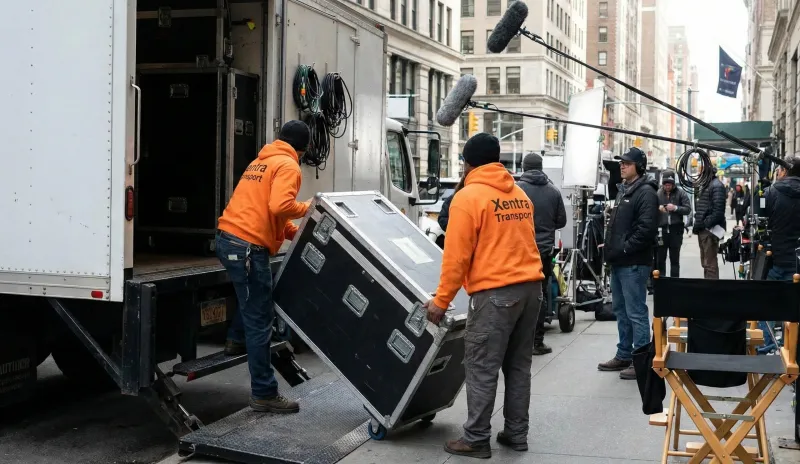
Photo: film crew wrapping equipment truck final day on set, via lineproducersindia.in
Every indie filmmaker remembers their first day of shooting. The nerves, the coffee, the call sheet nobody followed. What nobody warns you about is the last day — the one that starts out feeling like any other and ends with you standing in an empty location holding a light stand, wondering why your throat hurts.
Wrap day is weird. It's a victory and a funeral at the same time, and if you don't plan for that, it'll knock the wind out of you.
The Grief Is Real, So Name It
For weeks — sometimes months — you lived inside a world you invented. The crew became a family with its own inside jokes, its own rhythms, its own shorthand. The actors stopped being actors and became the characters in every conversation. And then, on a Tuesday, it's over. Someone loads the last truck, the location owner locks the door, and the world you built from nothing evaporates.
Feeling wrecked about that isn't unprofessional. It's proof you made something that mattered. The mistake is pretending you're fine and letting the emotion leak out sideways — into snapping at your AD, into rushing the last setups. Acknowledge it out loud at the top of the day. A director who says "this is the last time we'll all be in this room together, let's make it count" gets a better day of work than one who pretends it's just another Tuesday.
The Coverage You'll Regret Missing
Here's the harsh math of wrap day: every shot you skip today is a shot you can never get back. The location strikes. The actors scatter. The props go back to the rental house. Post-production has a way of revealing exactly the insert you decided you didn't need.
Before the final day, do this:
- Walk the location one more time with your shot list and ask, honestly, what future-you in the edit bay will wish existed. Reaction shots. Hands doing things. The empty room after someone leaves.
- Shoot transitions. The establishing details and cutaways that felt obvious during planning are the ones that vanish from memory by week three of editing.
- Get a wrap photo of the whole crew — not for the press kit, for you. You'll want it more than you think.
- Record the space. Room tone, ambient sound, the hum of the refrigerator in the kitchen where the big scene happened. Future-you will send thank-you notes.
Keeping the Crew in It Until the End
Final days have their own gravity. Everyone's tired, everyone's thinking about the next gig, and the work can drift toward going-through-the-motions. Your job is to finish strong without burning people out.
Schedule the hardest scene before the last day if you possibly can. Save the last day for work that's physically manageable and emotionally satisfying — a scene the crew loves, a location they enjoyed, something that lets people leave proud. Feed everyone absurdly well. And when you call the final cut, say something. Anything. A stumbling, heartfelt thank-you beats a brisk "great, that's wrap" every time. People remember how a thing ends. They'll talk about your production for years based on that last hour.
Let It End Like It Meant Something
Some crews do a final circle. Some do a toast. One tradition worth stealing: before the location is struck, have everyone stand in the main set for a moment of quiet. No speeches. Just a room full of people who built something, looking at it one last time.
Because that's what wrap day really is — the last day a particular group of people will ever exist. The film will live on in the edit, in festivals, on screens. But this version of it, the one that existed in hallways and coffee runs and 2 a.m. reloads, ends when the last case is packed.
Mark the moment. Then go home, sleep for two days, and open the editing software when you're ready. The footage will be there. So will everything you didn't shoot — but if you planned the day right, you got what you needed.